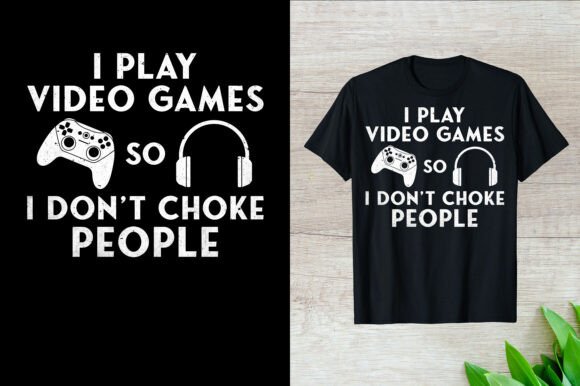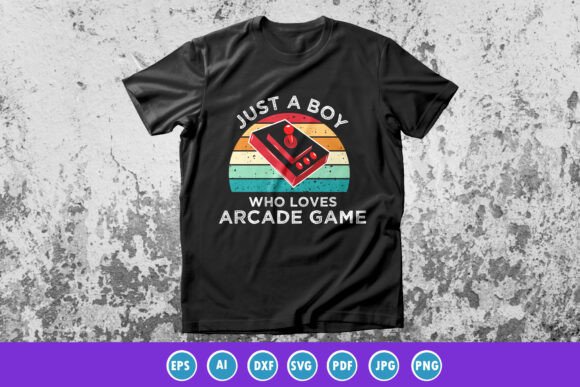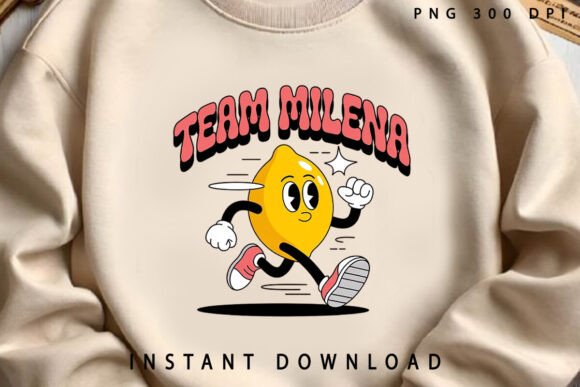
Team Milena Clipart, Animation PNG
If you have come across Team Milena Clipart or Animation PNG files while searching for sublimation-ready designs, you are looking at a category of digital art that has grown in popularity among print-on-demand sellers, small business owners, and hobbyists who want eye-catching graphics without starting from scratch. These files are typically high-resolution PNGs with transparent backgrounds, designed to be dropped into projects for t-shirts, tumblers, stationery, home decor, and more. The appeal is obvious: you get a polished, ready-to-use design that saves hours of drawing or compositing work.
However, the convenience of buying and using pre-made clipart like Team Milena Animation PNGs comes with a set of details that many people overlook. If you are new to sublimation printing or digital design, or even if you have been creating products for a while, there are some common misunderstandings that can lead to wasted money, poor print results, or even legal headaches. Let's walk through the most frequent mistakes and how to avoid them so you get the best results from your digital downloads.
Mistaking Clipart PNGs for SVG Cutting Files
One of the most common mix-ups people make is assuming that a high-resolution PNG file can be used the same way as an SVG cut file. Team Milena Clipart PNGs are designed for printing—sublimation, waterslide, or regular inkjet printing—not for cutting machines like Cricut or Silhouette if you want layered vinyl cuts. The transparent background lets you place the image on a shirt or mug, but the file does not contain separate cut paths or vector layers. If you try to use a PNG as a cut file without converting it, your machine will either refuse the file or cut around the entire square, leaving a messy outline.
What to do instead: Check the product description carefully. If you need cut lines for vinyl or iron-on, look for SVG or DXF formats. If the listing says “No cutting files included,” that means you should treat the PNG solely for printing. For projects that require precise cutouts, you can manually trace the PNG in your cutting software, but that takes time and skill. If you are printing directly onto a substrate—like sublimation on polyester—then the PNG format is exactly what you need.
Assuming Screen Colors Are Print-Ready
Another frequent disappointment happens when the vibrant pink or neon green you saw on your monitor comes out muted or shifted after printing. Digital screens use RGB color space, while most printers—especially sublimation printers—use CMYK or a specific dye-sublimation color profile. Team Milena Clipart files are created in RGB by default, and while they look brilliant on screen, the printer may not reproduce those exact hues.
How to avoid poor color matches: Before committing to a bulk production run, do a test print on a small item or a scrap piece of substrate. Adjust your printer settings to match the paper and transfer method you are using. Many experienced designers also convert the PNG to a CMYK profile in software like Photoshop or Affinity Photo and then tweak saturation levels. Also, remember that colors vary across monitors—your laptop screen may show the design differently than your phone or desktop. If color accuracy is critical for a client or a branded product, ask the seller if they provide a color reference or if the PNG has a specific profile embedded.
Ignoring Resolution and DPI for Different Surfaces
The files you download are typically listed as 300 DPI, which is the standard for high-quality print. But 300 DPI at what size? A PNG that is 300 DPI but only 2 inches wide will become blurry if you stretch it to fit a full-size t-shirt back. This is where people get into trouble: they assume “300 DPI” guarantees sharpness at any scale. It doesn't. Resolution is a combination of pixel dimensions and physical size.
What to check: Look at the pixel dimensions in the product listing. For a standard 12x12 inch sublimation design, you want at least 3600x3600 pixels at 300 DPI. If the Team Milena Clipart PNG you are eyeing is only 1500x1500 pixels, it is best used for smaller items like stickers, card fronts, or small tumblers. For apparel or large home decor, you need bigger dimensions. If you are unsure, download the preview file (if the seller offers one) and test it in your design software at the actual print size. Enlarge it to 400% and look for pixelation—that will tell you everything you need to know.
Overlooking Commercial Use Terms
This mistake can be costly. Many clipart sets, including popular Animation PNG collections, come with restrictions on commercial use. Some allow unlimited products, while others cap the number of sales you can make using the design. Some prohibit using the art for print-on-demand platforms like Merch by Amazon or Redbubble without an extended license. Sellers often state the terms in the listing, but busy creators skip that section.
How to stay safe: Before purchasing, read the commercial use policy. If it is not clear, message the seller. Keep a copy of the license file or the listing text for your records. If you plan to sell hundreds of shirts or mugs with a specific Team Milena design, confirm whether that is allowed. For personal projects or gifts, almost any standard license covers you. But for a business, you need to be explicit. The cost of an extended license is usually small compared to the risk of a takedown notice or loss of your seller account.
Using Transparent Backgrounds Incorrectly
A transparent background is a huge advantage because the PNG integrates seamlessly into your layout. But it also creates a trap: if you place a transparent PNG over a dark-colored shirt or mug, the transparent areas will show whatever color is underneath. That is fine if your design is meant to sit on that background. However, if the artwork has thin lines or delicate details, those areas may become invisible against a dark substrate unless you design for that.
Better approach: For dark surfaces, consider adding a white underbase layer behind the design before printing. In sublimation, this often means using a white transfer paper or applying a white base layer to the item. Alternatively, choose PNGs that have a built-in white backing or are designed specifically for dark materials. If you are printing on light polyester or white paper, the transparent PNG works beautifully as is. Always preview your design on the actual background color you plan to use.
Neglecting to Test Before Scaling Up Production
We all get excited when a design looks perfect on screen. But rushing to produce 50 tumblers or 100 shirts before running a single test print is one of the most expensive mistakes you can make. Subtle issues—like a low-res element, a color shift, or a misaligned layer—look small on screen but become glaring in print.
Practical habit: Make one prototype of each new design. Print it on the exact material you intend to sell. Wash it, use it, and see how it holds up. This applies whether you are using Team Milena Clipart, Animation PNG, or any other digital art. The few dollars spent on a test item are a fraction of what you would lose on a batch of defective products. Additionally, check the design at actual print size in your software and zoom in to inspect edges. Raster PNGs can sometimes show jagged edges if they were not antialiased well.
Forgetting About File Organization and Reuse
This is less dramatic but affects your workflow over time. When you buy multiple digital files—especially if you collect sets from different artists—it is easy to lose track of what you own. You might purchase a Team Milena Animation PNG, forget you have it, and later buy a similar design. Or you may struggle to find the original file when a customer asks for a variation.
Simple system: Create a folder structure on your computer or cloud storage: one main folder for “Clipart Purchases,” then subfolders by artist name (e.g., “Team Milena”) and by type (“Animation PNG,” “SVG,” “Patterns”). Save the license file inside each folder. Rename the files with descriptive names that include the collection name and keywords. This small step saves hours of searching later and helps you actually use what you have bought.
Choosing Style Over Functionality
Trendy clipart sells for a reason: it looks great on social media and in mockups. But what looks trendy today may feel dated six months from now, especially in fast-moving niches like t-shirt design, gaming merch, or pop culture art. If you are building a brand, relying too heavily on one trending style can make your product line feel generic.
Smarter selection: Balance trendy pieces with more timeless designs. Team Milena Clipart includes a range of aesthetics from kawaii to minimalist to bold typography. Choose designs that align with your brand's voice and audience, not just what is trending on Creative Fabrica or Merch by Amazon. Consider whether the artwork will still appeal to customers in a year. If you are designing for a specific event or season, trend-driven art is perfect. For your core catalog, invest in versatile, well-crafted graphics that represent your style.
What to Check Before You Buy
Before you hit the download button on any Team Milena Clipart or Animation PNG, take a few minutes to confirm these points:
- File format and DPI: Is it PNG at 300 DPI or higher? Are the pixel dimensions suitable for your intended use?
- License terms: Does the commercial license cover your sales volume and platforms?
- Transparency: Is the background truly transparent? Are there any hidden elements you need to strip out?
- Color profile: Is it sRGB, Adobe RGB, or untagged? Will you need to convert it?
- Included files: Does the package contain only the PNG, or are there additional variations like black-and-white line art or layered files?
- Seller reputation: Check reviews and ratings. Real feedback from other buyers often reveals issues like low resolution or misleading previews.
Getting the Most Out of Your Clipart
Once you have a clean, high-resolution PNG that you know works for your printer and your product, the creative possibilities are genuinely wide. Use it for t-shirts, hoodies, tote bags, stickers, mugs, posters, party decorations, and even embroidery if you convert it to a stitch file. The key is treating each file as a raw material, not a finished product. Combine it with your own typography, adjust the colors to match your brand palette, or layer it with other elements to create something unique.
Team Milena Clipart and similar Animation PNGs are valuable tools, but they perform best when you understand their limits. Respect the format, respect the license, and always test before you mass-produce. That habit alone will separate your work from sellers who rush and end up with disappointing results. When you use digital art thoughtfully, you deliver better products to your customers and build a reputation for quality that keeps them coming back.