Retro Vintage Gamer Typography Vector: Practical Integration for Design Projects and Print Workflows
Typography carries weight in design, and when it meets retro arcade aesthetics, the result is a versatile asset for apparel, print, and digital projects. Retro vintage gamer typography vector files give designers, small business owners, and creators a ready-to-use foundation for t-shirt graphics, event invitations, signage, and branded merchandise. Understanding how these files fit into a real production workflow—from selection to final output—saves time and ensures consistent quality across formats.
What Retro Vintage Gamer Typography Vector Delivers
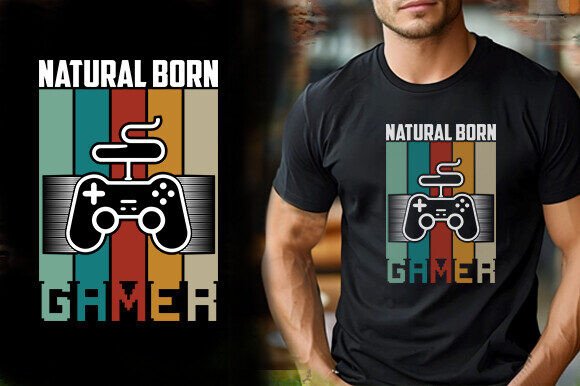
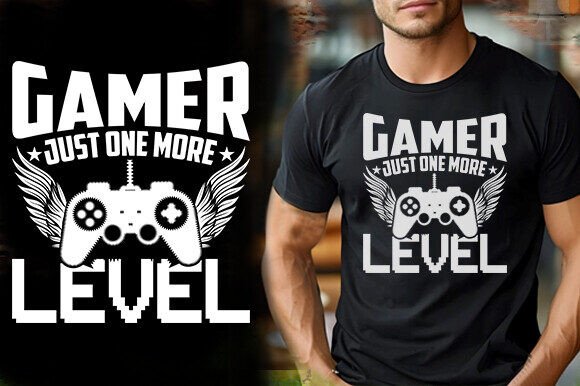
Retro vintage gamer typography vector refers to digital clip art collections built around bold, pixel-influenced letterforms, neon-style outlines, and arcade-era design cues. These are not raster images that lose quality when scaled; they are vector files created in software like Adobe Illustrator and saved in multiple formats for maximum compatibility. A typical set includes AI, EPS, DXF, PNG, PDF, JPG, and SVG files, all compressed into one ZIP archive for easy download and organization.
The value lies in the structure. Each letter, badge, or decorative element exists as a mathematical path, meaning you can resize it from a business card to a billboard without degradation. This makes the set suitable for clothing printing, printable decoration, cards, invitation design, and any surface that benefits from a distinct retro gaming look. The included PNG and JPG versions also allow quick previewing or use in web projects without opening a vector editor.
Where These Assets Fit in a Real Workflow
Design workflows vary by role. A print-on-demand seller needs speed and consistency. A graphic designer working with a client wants flexibility and clean file organization. A hobbyist making custom gifts needs simplicity and clear instructions. Retro vintage gamer typography vector files serve each scenario when integrated thoughtfully.
Before a Project: Preparation and Asset Selection
The most efficient step you can take before starting a design is reviewing the entire collection. Open the AI or EPS file in your vector application and inspect each character, badge, and decorative element. Note which weights, sizes, and styles are present. This pre-selection prevents you from pausing mid-project to search for a matching font or graphic.
Create a system folder on your computer where you store the extracted ZIP contents. Keep the original archive as a backup, and inside your working folder, maintain a subfolder for the vector source files (AI, EPS, SVG) and another for the raster previews (PNG, JPG). This separation prevents accidental editing of originals and makes it easy to drag a PNG into a mockup tool for quick client approval.
If you work with a team, consider uploading the SVG files to a shared asset library. SVG is lightweight, widely supported in web tools, and preserves the vector data for other designers.
During Design: Integration with Common Tools
Retro vintage gamer typography vector files work across most major design and layout applications. Here is how they interact with specific environments:
- Adobe Illustrator: The AI and EPS files open directly with editable paths, layers, and colors. You can apply global swatches, adjust stroke weights, and combine the typography with your own vector elements. This is the environment where the asset is fully flexible.
- CorelDRAW and Affinity Designer: EPS and SVG files import cleanly. If you encounter color shifts, check the file’s color mode (CMYK for print, RGB for screen) and convert as needed during import.
- Inkscape (free software): SVG files are natively supported. Open the SVG, make adjustments, and export to whatever format your workflow requires. The DXF format also works for laser engraving workflows if you produce physical signs or custom electronics enclosures.
- Cricut Design Space or Silhouette Studio: SVG and DXF files are ideal for cutting machines. Use the PNG version for print-then-cut projects if you need a quick visual reference. The vector paths ensure clean cuts around letterforms.
- Canva or similar online platforms: Upload the PNG or JPG files for use in social media graphics, digital invitations, or low-complexity print projects. You lose editability but gain speed if the design is already set.
When layering the typography over a background—for example, on a t-shirt mockup—pay attention to contrast. Retro arcade lettering often includes internal neon lines or shadow offsets. Test the design on both light and dark garment colors before finalizing. The vector file lets you recolor the fill and stroke independently without re-creating the artwork.
After Design: Output, Printing, and Quality Control
Once the layout is finalized, output format depends on your destination medium. For clothing printing, screen printers typically require vector files (AI or EPS) with text converted to outlines. If you use the PNG version for direct-to-garment printing, ensure the resolution is at least 300 DPI at the intended print size. The included PDF is useful for sending proofs to clients because it embeds the vector data and can be viewed on almost any device without software conflicts.
For printable decorations such as posters, stickers, or wall art, use the PDF or AI file to set up your page size and bleeds. The JPG version works for small-scale home printing but should be avoided for large-format output due to compression artifacts.
Quality control matters when the same design appears across multiple products. Create a master template in your vector editor that references the typography file externally or as a placed asset. This way, updating the typography style in one place updates all projects that link to it. Alternatively, embed the graphics if you want to archive each project independently.
For T-Shirt and Apparel Sellers
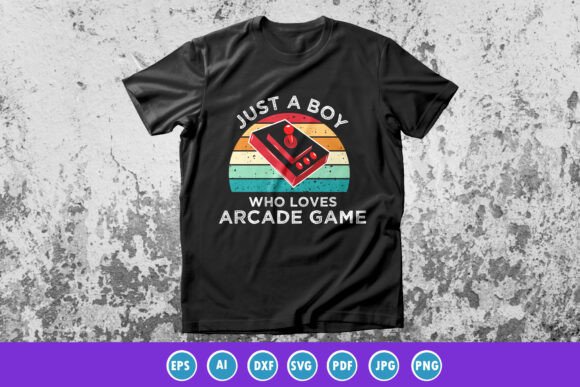
Retro vintage gamer typography vector sets reduce the time from concept to product listing. Choose a design direction—say, a classic “GAME OVER” or “ARCADE” wordmark—and use the vector file to create variations for different shirt colors. Export each variation as a transparent PNG for your print-on-demand dashboard. Save the AI file as your master so you can adjust colors or add seasonal elements later without starting over.
If you sell on multiple platforms, maintain a consistent file naming convention. For example: arcade_wordmark_black_tee.eps or retro_gamer_typography_gold_print.pdf. This saves time when reordering or updating products.
For Event and Invitation Designers
Birthday parties, gaming tournaments, and retro-themed corporate events benefit from cohesive typography across all touchpoints. Use the vector file to design the invitation layout in AI or Canva, then reuse the same elements for banners, thank-you cards, and digital posts. The DXF files are particularly useful if you want to cut vinyl lettering for a welcome sign or cake topper. Since the whole collection is in one ZIP, you can hand the archive to a print partner or vendor without converting anything.
Before printing, test the PDF version at actual size. Check that strokes are thick enough to survive the print method you choose—thin neon lines may vanish on dark paper or fabric.
For Content Creators and Digital Marketers
Even if you rarely print, retro gaming typography adds personality to YouTube thumbnails, website headers, and social media stories. Use the PNG files for quick compositing. Because the set includes multiple formats, you can drop an SVG into a web design mockup and keep the text crisp on retina screens. For video intros, import the AI file into After Effects (via Illustrator layers) and animate the letterforms individually.
The key is to treat the typography as a system, not a single graphic. Decide which elements form your primary brand lockup and which serve as accent pieces. This consistency builds recognition even across different platforms.
Organizing and Maintaining the Asset Library
Retro vintage gamer typography vector files are only useful if you can find them when needed. After extracting the ZIP, rename the folder with a descriptive name that includes the style, file count, and year. For instance: Retro_VG_Typography_Set_2025_45files.
Inside the folder, consider these organizational approaches:
- By format: Subfolders named AI, EPS, SVG, DXF, PNG, JPG, PDF. This works well if you often export from one source tool and need quick access to a specific extension.
- By element type: Separate folders for full phrases, individual letters, badges, borders, and decorative icons. This speeds up exploration when you are brainstorming layouts.
- By color theme: If the set includes multiple color variants, group them. Many retro typography files ship in default neon colors, and you will recolor them anyway, but having a visual reference helps.
Add a short README file or a thumbnail collage (the included JPG files often serve this purpose) so that anyone opening the folder understands the contents without loading a vector editor.
Factors That Affect Long-Term Usability
Not all vector files age the same way. To keep the asset useful across software updates and new workflows, observe these practices:
- Keep the original ZIP archive unaltered. If you modify a file, save it with a different name. The original is your fallback if edits introduce errors.
- Update your software regularly. Older AI or EPS files may open with minor warnings in current versions of Illustrator or CorelDRAW, but they remain functional. If you encounter clipping or missing fonts, remember that these are vector outlines—there are no missing fonts to replace.
- Test DXF files for your specific cutting machine. Some machines expect certain layer names or scaling parameters. Open the DXF in a preview tool before committing material.
- Check PNG resolution before using in print. The included PNGs are typically sized for preview or web use. For high-resolution print, always export from the vector file at the needed DPI.
Collaborating with Print Partners and Clients
When you hand off retro vintage gamer typography vector files to a printer or client, clarity about which format to use prevents back-and-forth. Attach a brief note: “Use the EPS or AI file for screen printing. Use the PDF for digital proofing. The PNG and JPG are for reference only.” Most production teams appreciate knowing you have already organized the files.
If the client wants to see options, send a low-res PDF composite with several layout ideas, then deliver the final vector file (AI or EPS) after approval. This separates the creative exploration phase from the production phase and reduces confusion.
Final Observations on Workflow Integration
Retro vintage gamer typography vector files are not a shortcut to good design—they are a foundation that eliminates repetitive drawing and lets you focus on composition, color, and fit. The real efficiency comes from how you prepare before opening the file, how you organize the assets during the project, and how you output the final result for its intended medium.
Whether you produce one t-shirt design or a full brand identity for a retro arcade event, treating the typography as a flexible system rather than a fixed graphic gives you room to adapt. Test the files in your primary design tool early. Decide which formats matter most to your workflow. And keep the original archive safe—it is the reference point for every derivative file you create.
By integrating these assets thoughtfully into your existing process, you reduce turnaround time, maintain quality across formats, and deliver results that match the visual energy of the arcade era without the technical friction that often accompanies print production.