How a Mouse Pad Recycling Bin and Sublimation Mouse Pad Are Redefining the Modern Desk
The workspace is no longer just a place to get things done. For professionals, creators, entrepreneurs, marketers, freelancers, and enthusiasts, the desk has become a reflection of mindset, brand, and efficiency. Every element on that surface matters — not just for aesthetics, but for how it supports focus, comfort, and workflow. One emerging concept that bridges utility, sustainability, and design is the Mouse Pad Recycling Bin, often realized through a Sublimation Mouse Pad that brings both visual appeal and environmental awareness into daily computing.
This article explores why the Mouse Pad Recycling Bin is gaining attention, how it fits into larger trends in sustainability and desk culture, and why a custom sublimation approach makes it a practical upgrade for anyone serious about their workspace.
Understanding the Mouse Pad Recycling Bin Concept
At its core, a Mouse Pad Recycling Bin is a mouse pad that incorporates recycled or upcycled materials into its construction, often combined with a design that encourages responsible disposal or reuse at the end of its life. The term also refers to a growing product category where manufacturers and designers use post-consumer or post-industrial waste — such as recycled rubber, fabric scraps, or reclaimed plastics — to create functional, durable mouse pads.
However, the concept goes beyond materials. A Mouse Pad Recycling Bin also implies a mindset: that even small desk accessories can participate in a circular economy. When paired with a Sublimation Mouse Pad, the result is a product that is not only sustainable but also highly customizable, allowing users to print vivid, durable graphics that express personal style or brand identity without compromising environmental values.
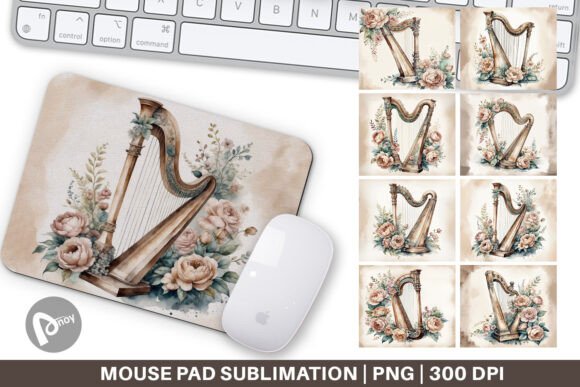
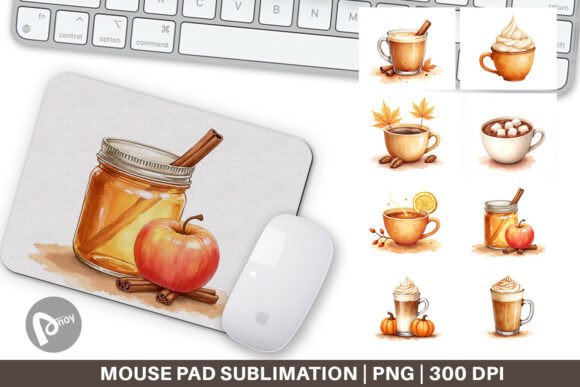
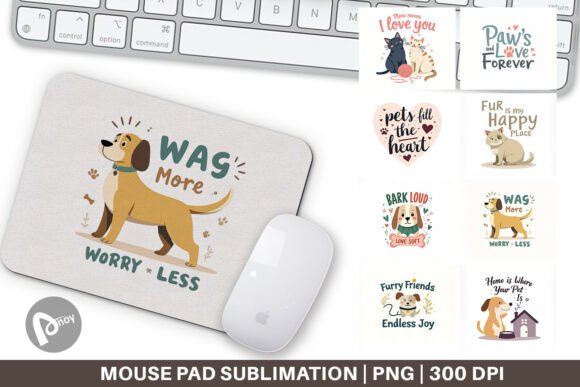
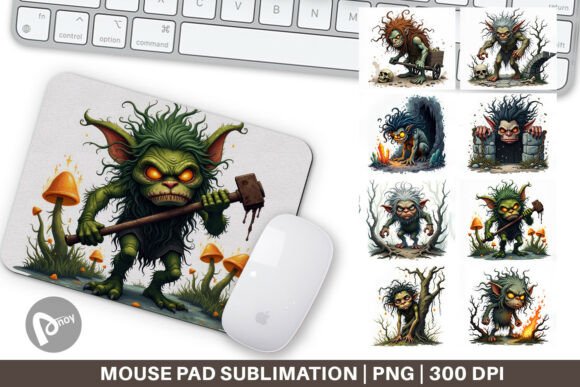
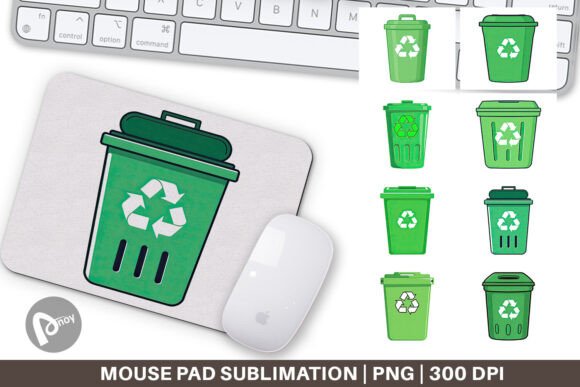
The practical manifestation often comes as a PNG file for sublimation printing — typically 8 files at 9.5 x 8.1 inches at 300 dpi — which allows designers and end users to produce their own eco-friendly mouse pads on demand. This blend of sustainability and personalization is what makes the category compelling for a wide range of users.
Why the Mouse Pad Recycling Bin Matters Now
Several converging trends explain why the Mouse Pad Recycling Bin is resonating with today's audience. First, the broader shift toward sustainable consumerism has reached the accessory market. Professionals and creators are increasingly aware that the products they choose — even small ones — carry environmental implications. A mouse pad made from recycled materials or designed to be fully recyclable at end of life aligns with a growing expectation that every purchase should have a responsible footprint.
Second, the rise of remote and hybrid work has turned the home desk into a high-stakes environment. Freelancers, entrepreneurs, and marketers now spend significant hours at their workstations. Comfort and productivity are no longer luxuries; they are necessities. A well-designed mouse pad — especially one that offers a smooth gliding surface, wrist support, and non-slip backing — directly impacts daily efficiency. When that same pad also tells a story of sustainability, it adds a layer of personal satisfaction and alignment with values.
Third, the creator economy has fueled demand for unique, customizable products. Sublimation printing enables anyone — from a small business owner to a graphic designer to a gaming enthusiast — to produce a mouse pad that is entirely their own. The Sublimation Mouse Pad is the perfect canvas for this, because the dye sublimation process embeds the design into the fabric, making it fade-resistant, washable, and long-lasting. This is especially important for professionals who want their desk to reflect their brand or aesthetic without sacrificing durability.
How a Sublimation Mouse Pad Elevates the Recycling Bin Concept
The Sublimation Mouse Pad is not simply a printed mouse pad. It is a manufacturing technique that transfers dye onto a polymer-coated surface using heat, resulting in vibrant, permanent colors that won't crack, peel, or fade. When applied to a mouse pad made from recycled or eco-friendly materials, the combination is powerful.
Imagine a desk accessory that is both a statement piece and a sustainability badge. A Mouse Pad Recycling Bin realized through sublimation allows users to:
- Choose a design that inspires them daily — whether it's a geometric pattern, a motivational quote, a brand logo, or a nature scene.
- Enjoy a surface that is smooth for the mouse and comfortable for the wrist, reducing fatigue during long work sessions.
- Support a circular economy by selecting a product made from recycled content and designed to be recyclable again — turning the mouse pad into a literal "recycling bin" for materials.
- Produce the pad on demand using a PNG file at the correct specifications (9.5 x 8.1 inches at 300 dpi), minimizing waste and inventory overhead.
This is especially relevant for digital creators and small business owners who sell custom merchandise. Offering a mouse pad that combines eco-conscious materials with premium sublimation printing is a differentiator in a crowded market. It speaks to a customer who cares about both aesthetics and impact.
Changing Workflows and Expectations
The way people work has changed. The desk is no longer a static surface — it's a dynamic environment that must support video calls, creative work, deep focus, and sometimes gaming. The Mouse Pad Recycling Bin fits into this new reality because it addresses several needs simultaneously:
- Ergonomics: A quality mouse pad reduces wrist strain and improves mouse precision, which matters for designers, editors, and anyone who spends hours navigating screens.
- Aesthetics: A visually appealing desk boosts mood and professionalism, especially during video calls where the workspace is visible to clients and colleagues.
- Values alignment: More professionals want their purchasing decisions to reflect their environmental stance. A mouse pad made from recycled materials is a small but visible signal of that commitment.
- Customization: The ability to produce a unique design via sublimation means the product can be tailored to specific tastes or branding needs — something generic mouse pads cannot offer.
For freelancers and entrepreneurs, every detail of the workspace contributes to brand perception. A custom sublimated mouse pad with a refined design can be a subtle but powerful element of a cohesive desk setup. For marketers and content creators, it provides an opportunity to showcase creativity and thoughtfulness, both in the product itself and in the story behind it.
Even for gaming enthusiasts, the Mouse Pad Recycling Bin concept resonates. The gaming community is increasingly interested in sustainable peripherals, and a sublimated mouse pad with a unique design can enhance the look of a gaming rig while aligning with a greener mindset.
Practical Considerations and Examples
When selecting or producing a Mouse Pad Recycling Bin via sublimation, there are a few practical factors to keep in mind:
- Material composition: Look for pads that use recycled rubber bases or recycled fabric tops. The sublimation coating should be compatible with the chosen material to ensure vivid and durable prints.
- File specifications: The standard size for many custom sublimation mouse pads is 9.5 x 8.1 inches at 300 dpi. Using a PNG file with these exact dimensions ensures the design prints without distortion or loss of quality. Eight files typically represent different design options or variations, allowing for batch production or client choice.
- Printing process: Dye sublimation requires a heat press and sublimation paper. The result is a permanent bond between ink and fabric, meaning the design will not wear off with normal use. This is ideal for professional environments where longevity matters.
- End-of-life handling: A true Mouse Pad Recycling Bin considers what happens when the pad is no longer usable. Some manufacturers offer take-back programs; others design the pad to be fully recyclable through standard textile or rubber recycling streams. This is an important differentiator for eco-conscious buyers.
In practice, a digital marketer might use a sublimated mouse pad featuring their brand colors and logo, subtly reinforcing brand identity during client calls. A freelance designer might choose an abstract pattern that sparks creativity. A remote entrepreneur might select a minimalist, calming design to reduce visual noise and maintain focus. In every case, the underlying product remains the same: a functional, sustainable, and beautifully customized desk accessory.
Connecting to Larger Developments
The rise of the Mouse Pad Recycling Bin and Sublimation Mouse Pad is part of a broader movement toward sustainable personalization in consumer goods. Across industries, customers are demanding products that are both tailored to their individual needs and responsible in their lifecycle. From fashion to furniture to tech accessories, the same pattern emerges: people want items that feel personal and meaningful, without the environmental guilt of mass-produced, disposable goods.
In the workspace context, this shift is accelerated by the blending of professional and personal life. As more people work from home, the desk has become a venue for self-expression. A mouse pad is no longer just a tool — it is a statement. By choosing a Mouse Pad Recycling Bin, users declare that functionality and sustainability can coexist, and that style does not require compromise.
For businesses and entrepreneurs, this presents an opportunity to differentiate. Offering custom sublimation mouse pads made from recycled materials can be a unique value proposition for a merch line, a corporate gift, or a promotional item. It signals innovation and responsibility, which resonates with today's consumers.
Practical Steps to Get Started
For anyone interested in incorporating a Mouse Pad Recycling Bin into their workspace or product offering, here are actionable steps:
- Source eco-friendly blanks: Find suppliers who offer mouse pad bases made from recycled rubber, post-consumer plastics, or natural materials like cork. Ensure the surface is compatible with sublimation.
- Prepare your design files: Use the standard PNG file format at 9.5 x 8.1 inches (300 dpi) to guarantee crisp, high-resolution prints. Create multiple design variations — such as different color schemes or patterns — to offer choice.
- Print responsibly: Use a sublimation printer and heat press to transfer your designs. If you don't have the equipment, partner with a print-on-demand service that uses eco-friendly inks and processes.
- Communicate the story: Whether you are selling these pads or using them personally, share why the recycled material and sublimation method matter. Transparency builds trust and reinforces the value of the product.
- Plan for end of life: Work with suppliers who accept returns for recycling, or educate users on how to responsibly dispose of or upcycle the pad when it wears out.
By following these steps, you can create a product that is not only useful and beautiful but also aligned with the values of a new generation of professionals and creators.
Conclusion: Small Object, Big Impact
The Mouse Pad Recycling Bin is more than a niche product — it is a symbol of how small design choices can reflect larger priorities. In an era where every professional, creator, and enthusiast is balancing productivity, aesthetics, and responsibility, the mouse pad becomes an unexpected but meaningful canvas. Through the precision and vibrancy of Sublimation Mouse Pad technology, and the material intelligence of recycled content, this everyday accessory can simultaneously beautify your desk, improve your comfort, and support a healthier planet.
Whether you are setting up a home office, designing a gaming room, or building a product line, the Mouse Pad Recycling Bin offers a simple, effective way to upgrade your space and your mindset. With the right PNG file — 8 files at 9.5 x 8.1 inches at 300 dpi — you have everything you need to create a desk accessory that works hard, looks great, and stands for something more.
Invest in the details that matter. Your desk — and your future self — will thank you.