Wolf Knight Logo: A Strategic Evaluation for Brand Identity
When building or refreshing a brand identity, every visual element carries weight. Among the many emblem styles available, the Wolf Knight Logo has emerged as a distinctive option for organizations seeking a balance between fierce symbolism and structured professionalism. This article evaluates the Wolf Knight Logo from a practical standpoint, examining its components, potential applications, and the tradeoffs involved in adopting such a design. Rather than offering promotional praise, the goal here is to help you determine whether this style of logo aligns with your specific branding objectives.
What the Wolf Knight Logo Represents
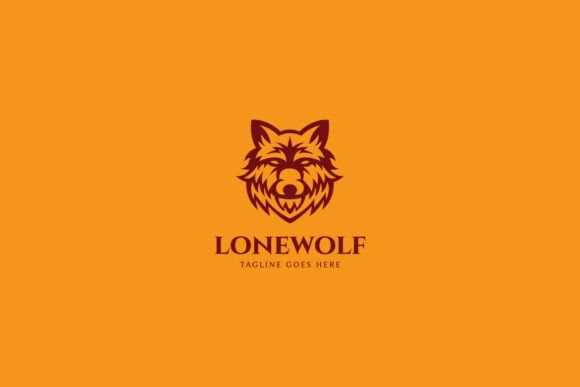
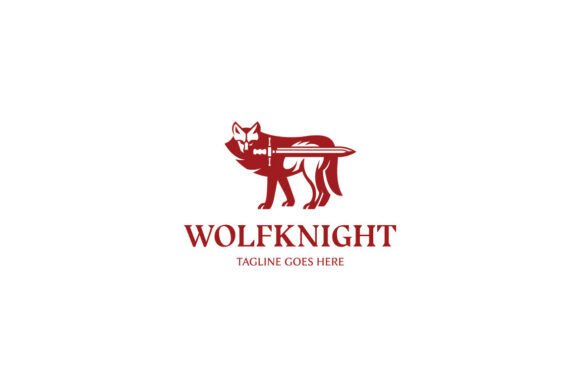
At its core, the Wolf Knight Logo is a composite emblem that merges two archetypal symbols: the wolf and the knight’s sword. The wolf traditionally represents instinct, leadership, unity, and resilience, while the sword conveys honor, protection, strategy, and valor. Together, these elements form a visual statement that suggests both raw power and disciplined purpose. Many versions of this logo are rendered in a striking red tone, which adds connotations of energy, passion, and determination, though color variations are possible depending on the package.
The design typically features sharp lines and a balanced composition, making it suitable for digital platforms, merchandise, uniforms, and printed branding materials. The professional file formats—including AI, EPS CS, and EPS 10 with non-editable text—are accompanied by a PDF help file that includes font links and a basic customization tutorial. This setup supports users who want a ready-to-use emblem with some room for adaptation.
Why Someone Might Consider This Logo
Interest in the Wolf Knight Logo usually stems from a need for a brand mark that communicates strength without appearing aggressive or chaotic. The combination of animal instinct and knightly discipline creates a duality that appeals to audiences in several fields: gaming, eSports, security services, sports teams, martial arts organizations, and adventure gear companies. For these sectors, a logo must evoke trust, readiness, and endurance, and the wolf-and-sword motif can deliver that impression efficiently.
Another reason for interest lies in the symbolic depth. A wolf pack implies loyalty and teamwork, while the knight archetype suggests protection and ethical conduct. Brands that prioritize these values—such as community-focused security firms or team-based competitive gaming groups—may find that this emblem resonates with their audience on a subconscious level. The red color option further amplifies a sense of urgency and drive, which can be advantageous for brands that thrive on action-oriented messaging.
Visual Impact and Recognition
Because the design combines two potent symbols, it tends to be visually memorable. Sharp lines and a balanced composition help the logo remain legible at various sizes, from small social media avatars to large banners. This scalability is an important practical benefit for brands that operate across multiple channels.
Symbolic Versatility
The wolf-and-sword motif supports multiple interpretations. A security company can emphasize the protective aspect of the sword, while a gaming team might focus on the strategic cunning of the wolf. This flexibility allows the same core design to adapt to different messaging without requiring a complete rebrand.
Professional File Support
The inclusion of AI and EPS formats, along with a help file for customization, reduces the barrier to implementation. Even those with limited design experience can follow the tutorial to adjust colors or text, provided they have access to compatible software. This is a practical advantage for small teams or independent operators who lack a dedicated graphic designer.
Tradeoffs and Considerations
No branding choice is without tradeoffs, and the Wolf Knight Logo is no exception. One consideration is the potential for overused symbolism. Wolf imagery is common in many industries, and combining it with a sword may not feel as distinctive if similar emblems are prevalent in your sector. Differentiation becomes crucial: you may need to pair the logo with unique typography, color palettes, or supporting graphics to avoid blending into a crowded visual landscape.
Another tradeoff involves the red color option. Red is associated with energy and passion, but it can also evoke aggression or urgency in contexts where a calmer tone is preferred. Brands in wellness, education, or family-oriented services may find that red does not align with their desired emotional register. Fortunately, the file packages allow for recoloring, so this is a modifiable element, but it does require additional customization effort.
Additionally, the non-editable text in the EPS 10 file may limit some users. While the AI and EPS CS formats offer more flexibility, those relying solely on the EPS 10 version may need to request alternative file types or invest in software that can handle editable layers. This is a practical constraint worth checking before purchase.
Scenarios Where the Wolf Knight Logo Is a Strong Fit
Based on its characteristics, the Wolf Knight Logo tends to perform well in environments where strength and discipline are core brand values. Here are specific situations where it may be an excellent choice:
- eSports and gaming teams: The competitive, strategic nature of gaming aligns with both wolf pack dynamics and knightly tactics. The logo can serve as a team crest that signals unity and readiness.
- Security and protection services: The sword element directly communicates safeguarding, while the wolf implies vigilance and loyalty. This combination can reassure clients without appearing overly militaristic.
- Martial arts schools and dojos: Discipline, honor, and controlled strength are central to martial arts. The emblem can reinforce these values on uniforms, websites, and promotional materials.
- Adventure and outdoor gear brands: The wolf evokes wilderness and endurance, while the sword suggests reliability and preparedness. This pairing suits products designed for challenging environments.
- Sports teams with a competitive identity: Teams that want to project ferocity and teamwork may find the wolf-and-sword motif energizing for fan engagement and merchandise.
Scenarios Where Alternatives May Be Worth Considering
While the Wolf Knight Logo has many strengths, it is not universally appropriate. In the following situations, exploring alternative designs may serve you better:
- Brands targeting a young or family-friendly audience: The combination of wolf and sword may feel too intense for children’s products, educational apps, or family entertainment. Softer, more playful symbols would likely resonate better.
- Corporate or professional service firms: Law firms, consulting agencies, or financial institutions typically require understated, trust-oriented logos. The aggressive undertones of animal-and-weapon imagery may conflict with the professional gravitas these fields demand.
- Nonprofit or humanitarian organizations: Missions centered on peace, care, or community support may clash with the martial aspects of the design. Symbols of cooperation, growth, or compassion are usually more appropriate.
- Markets saturated with wolf or sword logos: If your industry already features many similar emblems, adopting another one could dilute your brand’s uniqueness. In this case, abstract marks or typography-based logos may offer better differentiation.
- Minimalist or luxury branding contexts: Brands that rely on simplicity, elegance, and negative space may find the Wolf Knight Logo too detailed. A minimalist crest or monogram would likely align better with those aesthetics.
Practical Decision-Making Insights
Choosing a logo involves balancing emotional resonance with functional utility. Here are some objective considerations to guide your evaluation of the Wolf Knight Logo:
- Audience alignment: Does your target audience respond positively to animal and weapon symbolism? Conduct informal surveys or A/B tests with mockups before committing. If your audience skews younger or more competitive, the emblem is likely a stronger fit.
- Industry context: Examine competitor logos. If wolf and sword imagery is already widespread in your field, consider modifications—such as a unique color palette or an abstract twist—to maintain distinctiveness.
- Practical usability: Test the logo at different sizes and on different backgrounds. Check that the red tone does not clash with your primary brand colors and that the sharp lines remain clear when scaled down for favicons or app icons.
- Customization effort: Review the included file formats and help tutorial. If you plan to make significant changes to color or layout, ensure you have the software skills or budget to hire a designer. The non-editable text limitation is a real constraint that may require workarounds.
- Long-term flexibility: Consider whether the wolf-and-sword motif will still feel relevant as your brand evolves. Emblems that are too tightly tied to a specific theme can become limiting if you later expand into new markets or shift your messaging.
Determining Whether the Wolf Knight Logo Aligns with Your Goals
Deciding whether the Wolf Knight Logo is right for you ultimately depends on your brand’s core identity and the impressions you want to create. If your organization values strength, loyalty, strategic thinking, and protective leadership, this emblem can serve as a cohesive visual shorthand. The professional file formats and customization support also reduce technical friction, making it accessible for teams with limited design resources.
On the other hand, if your brand prioritizes softness, inclusivity, understatement, or innovation over tradition, the Wolf Knight Logo may feel mismatched. In those cases, investing in a custom design or a different pre-made motif could yield better long-term results. The decision should not be based solely on visual appeal but on a clear understanding of how the logo will function across your specific touchpoints and with your specific audience.
Ultimately, the Wolf Knight Logo is a tool—one that communicates specific values clearly and efficiently. Evaluating it through the lens of your brand strategy, rather than through emotional attraction alone, will lead to a more informed and effective choice.