Mouse Pad Leather Suitcase: A Practical Evaluation for Your Desktop Setup
When you spend hours at a computer, whether for work or gaming, the surface beneath your mouse can significantly influence your experience. The Mouse Pad Leather Suitcase concept brings together two distinct ideas: a premium leather surface designed to mimic the texture and feel of a fine suitcase, and a functional mouse pad that supports precision tracking. This article evaluates what this product offers, the tradeoffs involved, and how to decide if it aligns with your workspace needs.
What Is a Mouse Pad Leather Suitcase?
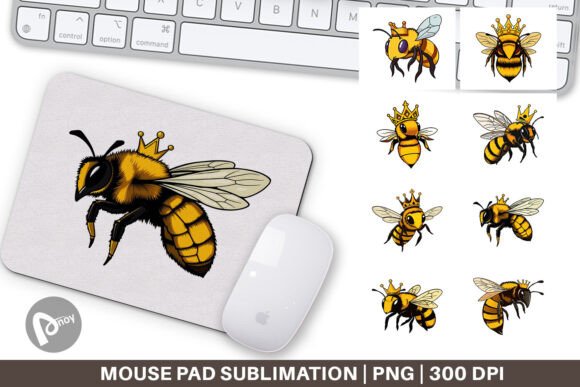
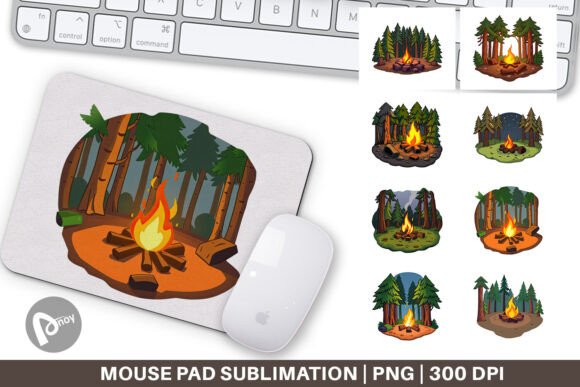
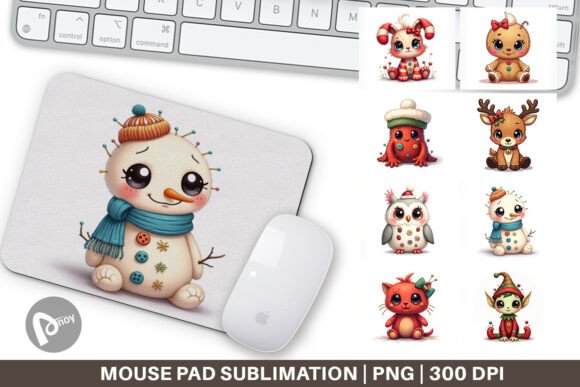
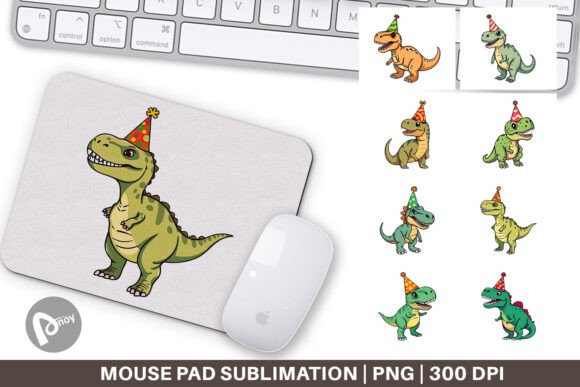
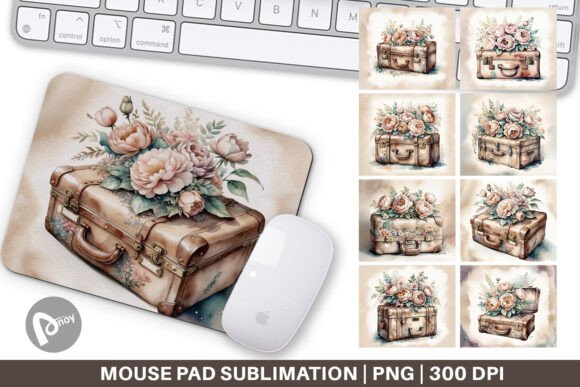
A Mouse Pad Leather Suitcase is a desk accessory that combines a leather top surface with a structured, often padded base. The term "suitcase" refers to the aesthetic inspiration—stitched edges, rich leather grain, and a design that resembles a miniature travel case. These pads are typically larger than standard mouse pads, providing ample space for both mouse and keyboard in some designs. The version you encounter often supports sublimation mouse pad printing, meaning custom graphics, patterns, or logos can be heat-transferred onto the surface without peeling or fading. The PNG file you might receive (8 files, 9.5 x 8.1 inches at 300 dpi) is intended for creating personalized sublimation prints, allowing you to design your own leather-look pad with artwork, branding, or decorative elements.
Unlike conventional fabric or hard plastic pads, the leather surface offers a distinct glide feel. It sits somewhere between the high friction of cloth and the slickness of hard plastic. The "suitcase" construction often adds thickness—sometimes 3 to 5 millimeters—which helps flatten the pad on uneven desks and provides wrist support.
Why Consider a Mouse Pad Leather Suitcase?
People explore this product for a few consistent reasons. First, aesthetics matter. A leather-look pad with stitched edges can elevate the visual tone of a desk, whether in a home office, a corporate workspace, or a gaming room. The sublimation printing capability means you can match the pad to your existing decor, brand colors, or personal style without settling for generic designs.
Second, durability is a factor. Leather surfaces, especially when treated properly, resist fraying, edge peeling, and the accumulation of dust and crumbs better than cloth pads. The smooth non-porous surface is easier to clean with a damp cloth, which appeals to people who eat or drink at their desk.
Third, the tactile experience matters for comfort and productivity. The leather provides a consistent glide that many users find comfortable for both precise cursor movements and broader sweeping motions. The thickness can also reduce wrist fatigue by filling the gap between your hand and desk surface, though this depends on your chair height and desk thickness.
Benefits to Evaluate
When assessing a Mouse Pad Leather Suitcase, consider these practical advantages:
- Consistent tracking surface: Leather offers a stable, uniform texture that optical and laser sensors read reliably. Unlike cloth pads that develop worn spots, leather maintains its glide characteristics over time.
- Moisture resistance: Leather does not absorb sweat or spilled liquids the way fabric does. This can extend the life of the pad and maintain hygiene, especially in humid environments or during long gaming sessions.
- Customization through sublimation: The ability to print your own designs using sublimation ink means you are not limited to pre-made patterns. This is valuable for businesses wanting branded desk accessories or individuals who want unique artwork without compromising surface quality.
- Stability: The weight and rubberized base typical of these pads keep them from sliding during use. The thickness also helps mask imperfections in the desk surface.
Tradeoffs and Considerations
No product is without tradeoffs. A leather-based pad differs from fabric or hard alternatives in ways you should weigh before purchasing.
Glide speed and control: Leather surfaces tend to offer medium to low friction. This means your mouse moves smoothly with less effort, which can improve speed in fast-paced games but may reduce fine control for detailed design work. If you rely on high static friction for precision clicks, a fabric pad might suit you better.
Feel in different climates: Leather can feel warm against the wrist in hot weather and cool in cold weather. Some users find this pleasant, while others prefer the consistent temperature neutrality of cloth. The surface can also become slightly tacky if your hand sweats, though this is less pronounced than with synthetic leathers.
Long-term wear: Genuine leather will develop a patina over time, which some find attractive. However, if you prefer a uniform appearance, this natural aging may be a drawback. The sublimation print, while durable, may fade if exposed to direct sunlight for extended periods. The stitched edges, while aesthetic, can fray if the stitching quality is low.
Cost: Leather-based pads generally cost more than standard cloth or plastic options. The price reflects material, construction, and the ability to customize via sublimation. If budget is a primary concern, a basic cloth pad may serve your needs equally well.
Cleaning requirements: While leather resists stains, it requires occasional conditioning to prevent cracking. Using isopropyl alcohol or harsh cleaners can damage the surface. A simple wipe with a damp microfiber cloth is usually sufficient, but you need to avoid abrasive scrubbing.
When Is a Mouse Pad Leather Suitcase a Strong Fit?
This product works well in specific scenarios. Consider it if:
- You prioritize desk aesthetics and want a cohesive look that includes leather, wood, or minimalist elements.
- You need a custom branded surface for your business, office, or streaming setup. The sublimation capability allows full-color designs that reflect your identity.
- You prefer a medium-friction glide for general productivity, browsing, or gaming genres that do not require micro-adjustments (e.g., RPGs, strategy games, or casual shooters).
- You want a durable, easy-to-clean surface that resists spills and crumbs, especially if you eat or drink at your desk regularly.
- You work or game on a desk with an uneven or slightly textured surface, as the thick base can compensate for minor imperfections.
When Might Alternatives Be Worth Considering?
There are also situations where a different mouse pad type may be more appropriate:
- If you are a competitive gamer who relies on low friction for rapid flick shots, a hard plastic or glass pad may offer better speed. Conversely, if you need high friction for pixel-precise editing in photo or video work, a textured cloth pad provides more control.
- If you have very sweaty hands, a moisture-wicking cloth pad or a dedicated gaming pad with a waterproof coating might perform better over long sessions.
- If you are on a strict budget, a standard cloth pad at a fraction of the cost will still perform adequately for most tasks.
- If you frequently travel and need a portable mouse pad, the thickness and weight of a leather suitcase pad make it less convenient than a thin foldable cloth pad.
- If you prefer a soft, plush wrist rest, a gel or memory foam pad integrated into the mouse pad may be more comfortable than the firm leather surface.
Practical Decision-Making Insights
To determine whether a Mouse Pad Leather Suitcase aligns with your needs, start by assessing your primary use case. Ask yourself: Do you value appearance and customization over pure performance? If yes, the leather-suitcase style plus sublimation printing offers a unique balance of form and function that few other pads provide.
Next, consider the physical dimensions. The provided PNG file at 9.5 x 8.1 inches (roughly 24 x 20.5 cm) indicates a compact pad suitable for a mouse alone, not a full desk mat. If you need space for both mouse and keyboard, look for a larger version. The 300 dpi resolution ensures crisp sublimation output, so design details will appear sharp.
Test your mouse sensor compatibility. Most modern mice work well on leather, but some older or low-end sensors may skip on dark colored surfaces. If possible, try a leather surface before committing, or choose a lighter color design to maximize sensor responsiveness.
Evaluate your environment. If your desk is in a sunlit room, place the pad away from direct UV exposure to preserve the print and leather condition. If your workspace is prone to dust, leather can be wiped clean easily, which is a practical advantage.
Finally, consider longevity as part of your cost-per-use calculation. A quality leather pad with sublimation printing may last several years with proper care, potentially outlasting multiple cloth pads. If you dislike replacing accessories frequently, the higher upfront investment may save you money and hassle over time.
How to Use Sublimation on a Leather Mouse Pad
If you are designing your own pad using the provided PNG files, the process is straightforward. Sublimation printing requires a heat press and sublimation ink. The design is printed onto transfer paper, then heat-pressed onto the leather surface at a specific temperature and pressure. The ink turns into a gas and bonds with the polymer coating on the leather, resulting in a permanent image that does not crack or peel. For best results, use a polyester-coated leather surface designed for sublimation, as natural leather does not accept the ink. The 8-file set at 300 dpi gives you multiple design options or layers to combine into a composite pattern.
If you lack a heat press, many online print services offer custom sublimation mouse pad production. You can upload your PNG file and receive the finished product. This is a convenient route if you want a one-off design without purchasing equipment.
Bringing It All Together
The Mouse Pad Leather Suitcase is not a universal solution, but it fills a specific niche for users who want a desk accessory that combines style, durability, and personalization. The leather surface offers a distinct tactile experience that differs from cloth or plastic, and the sublimation printing capability allows you to express your creativity or brand identity. By weighing the benefits—consistent tracking, easy cleaning, and aesthetic appeal—against the tradeoffs like cost, climate sensitivity, and glide characteristics, you can make an informed choice that matches your workflow and environment. Whether you are upgrading a home office, refining a gaming room, or creating branded merchandise, this product deserves consideration if the balance of form and function aligns with your priorities.