Mouse Pad Carved Furniture: A Practical Desk Upgrade for Professionals and Creators
The desk is no longer just a surface for a keyboard and monitor. For many professionals, freelancers, and serious hobbyists, it has become a command center for productivity, creativity, and even relaxation. Every element on that desk either contributes to focus or detracts from it. Among the often-overlooked accessories, the mouse pad has evolved far beyond a simple piece of fabric or rubber. Mouse pad carved furniture represents a thoughtful intersection of functional design and workspace aesthetics, offering something that standard mouse pads simply cannot deliver.
Understanding Mouse Pad Carved Furniture
Mouse pad carved furniture refers to a niche category of desk accessories where the mouse pad surface is designed with carved or embossed patterns, grooves, or textured elements that go beyond flat printing. These designs are not merely visual. They incorporate physical depth, raised contours, and carefully planned layouts that combine artistic appeal with ergonomic or organizational function. Unlike standard printed mouse pads where the design sits on the surface, carved furniture integrates the pattern into the material itself, creating a tactile experience that changes how you interact with the pad.
The concept draws inspiration from traditional wood carving and architectural detailing, adapted for the modern workspace. The result is a mouse pad that feels substantial, intentional, and often surprisingly practical. The carved elements can include decorative borders, geometric patterns, organizational zones for a phone or watch, or even subtle ergonomic contours that guide hand placement.
What Makes It Worth Discussing
Most mouse pads are disposable commodities. You buy one for ten dollars, use it until it frays or stains, and replace it without a second thought. Mouse pad carved furniture challenges that cycle. It is designed to be kept, appreciated, and used daily without losing its visual or functional appeal. The carving process adds a level of permanence and quality that aligns with how many professionals now view their workspaces: as environments that should support both performance and personal satisfaction.
For those who spend six, eight, or twelve hours at a desk, the difference between a generic mouse pad and a well-designed carved furniture piece is noticeable. The surface feel, the visual depth, and the way the pad anchors the desk visually all contribute to a more deliberate workspace.
Key Characteristics and Purpose
The defining feature of mouse pad carved furniture is the physical texture created through carving, embossing, or laser engraving. This is not a printed pattern. It is a three-dimensional surface that you can feel under your hand or mouse. The depth of the carving, the smoothness of the edges, and the precision of the design determine the quality of the piece.
Most carved furniture mouse pads are made from materials that hold detail well, such as dense rubber bases with a fabric or synthetic top layer that accepts carving without fraying or distorting. Some use layered construction where the carving reveals different colors or textures beneath the surface, adding visual complexity without relying on inks that can fade or scratch over time.
The purpose of these designs is twofold. First, they elevate the aesthetic of the desk. A carved pattern transforms a functional item into a decorative element that complements furniture, monitors, and other accessories. Second, the carving can serve practical roles. Raised borders can prevent a mouse from sliding off the edge. Grooved sections can mark the boundary between work and break zones. Some designs include subtle depressions that hold a smartphone or smartwatch at a convenient angle, reducing desk clutter.
Strengths in Real-World Use
In daily use, the most immediate benefit is the improved grip and stability. Because the surface has texture, the mouse tracks more predictably, especially on high-DPI settings or glass mouse feet. The carving also reduces glare and fingerprints compared to glossy printed surfaces, keeping the pad looking clean longer.
The visual depth of carved furniture creates a sense of quality that flat prints cannot match. Light hits the raised and recessed areas differently throughout the day, giving the desk a dynamic feel. For video calls or content creators who show their workspace on camera, this adds a subtle professional touch without being distracting.
Durability is another practical strength. Printed mouse pads wear down where the hand rests most, often showing shiny spots or fading within months. Carved designs do not have this problem because the color and texture are inherent to the material, not applied on top. Even after extended use, the pattern remains legible and the surface consistent.
Quality, Usability, and Long-Term Value
Quality in mouse pad carved furniture depends on three factors: material density, carving precision, and edge finishing. A high-quality pad uses a base that is thick enough to resist curling and heavy enough to stay put on the desk. The carving should be clean, with no rough edges or uneven depths that could snag a mouse cord or feel unpleasant under the wrist.
Usability is excellent for most standard mice and trackballs. The carving is typically shallow enough that it does not interfere with mouse movement, yet deep enough to provide tactile feedback. Some users may need a brief adjustment period if they are switching from a completely flat surface, but most adapt within a few minutes. The pad also works well with a keyboard tray or laptop stand, as the carved surface does not add significant height.
Long-term value is where carved furniture truly differentiates itself. A well-made piece can last several years without visible wear. The carved patterns do not fade, peel, or smudge. Cleaning is straightforward: a damp cloth or mild soap removes buildup without damaging the surface. This durability makes the higher upfront cost reasonable for anyone who expects to keep their desk setup for more than a year or two.
Flexibility and Consistency
One concern with textured mouse pads is whether they work across different mouse types. In practice, optical, laser, and trackball devices all function reliably on carved surfaces, provided the carving depth is moderate. Extremely deep or widely spaced patterns can cause skipping on some sensors, but quality manufacturers design for broad compatibility.
The consistency of the surface is also important. Flat carved furniture pads offer uniform tracking across the entire area. Some designs include a smooth section in the center for precise mouse work and carved borders or corners for style and grip. This hybrid approach works well for both productivity tasks and casual browsing.
For those who use a full desk pad, carved furniture is available in larger sizes that accommodate a keyboard, mouse, and additional items. The carved pattern then becomes a unifying design element across the entire work surface, which many professionals find visually grounding.
Who Benefits Most from This Design
Mouse pad carved furniture is not for everyone. If you replace your desk accessories every few months or prioritize the lowest possible price, this category likely exceeds your needs. However, for several specific groups, it offers genuine advantages that make it worth serious consideration.
- Professionals working from home who want their desk to reflect a polished, intentional image during video calls and client meetings.
- Creative freelancers and designers who value tactile inspiration and spend hours refining their workspace aesthetics.
- Gamers and serious hobbyists who want a mouse pad that performs consistently and adds personality to their gaming room without relying on aggressive branding or neon colors.
- Small business owners and entrepreneurs who operate from a single desk and want every item to earn its place through function and appearance.
- Educators and bloggers who record video content or share photos of their workspace and need a background element that looks intentional on camera.
The carved furniture design fits especially well in environments where the desk is visible to others or where the user simply prefers durable, well-crafted items over disposable alternatives.
Situations Where It Excels
In a home office with wooden furniture or minimalist decor, a carved mouse pad with subtle geometric or nature-inspired patterns complements the existing aesthetic without clashing. In a gaming room, a darker pad with carved tribal or tech-inspired motifs adds texture without the visual noise of full-color prints. For the hybrid workspace that doubles as a creative studio, the carved design provides a neutral but interesting surface that works for both productivity and artistic work.
The sublimation mouse pad variant deserves a separate mention. Sublimation allows full-color, photo-realistic designs to be infused into the fabric or coating of the pad, creating vibrant, long-lasting images that do not crack or peel. When combined with carved furniture elements, sublimation offers the best of both worlds: vivid color and physical depth. This is particularly useful for branded merchandise, custom gifts, or themed setups where a specific visual identity matters.
Practical Recommendations and Limitations
Before purchasing mouse pad carved furniture, consider the following observations from real-world use. First, test the carving depth if possible. Shallow carving is safer for daily use and compatible with more mouse types. Deep carving looks impressive but may feel distracting during extended work sessions.
Second, pay attention to the base material. A natural rubber base offers good grip on most surfaces, but some high-end pads use cork or recycled rubber for a more sustainable profile. Avoid pads with a glossy or slippery backing, as they will shift during use.
Third, consider the size relative to your desk and mouse usage. A standard 9.5 by 8.1 inch format, which corresponds to the common PNG file template offered by many designers, works well for mouse-only setups. If you need wrist support or a larger surface, look for extended sizes or companion wrist rests that match the carved design.
The primary limitation is cost. Carved furniture mouse pads typically cost two to four times more than standard printed pads. The justification comes from durability and design quality, but if your budget is tight, this is not an essential upgrade. Another limitation is the reduced design flexibility after purchase. Unlike a printed pad that you can replace cheaply, a carved pad is a longer-term commitment to a specific look.
The Sublimation Edge
For those who want customization without sacrificing durability, sublimation mouse pads combined with carved furniture offer a compelling solution. Sublimation dyes the fabric permanently, so the design cannot fade or peel. When this is paired with a carved pattern, the result is a pad that has both vivid imagery and physical texture. This approach is particularly popular for one-of-a-kind designs, corporate gifts, or themed gaming stations.
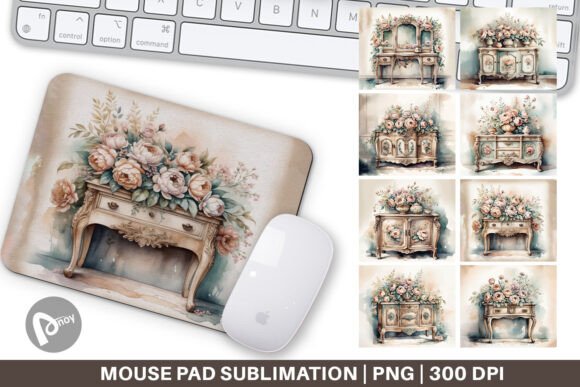
A typical sublimation carved mouse pad comes as a PNG file template sized at 9.5 by 8.1 inches at 300 DPI, giving designers and buyers a precise guide for creating custom artwork. Eight file variants often accompany such templates, offering different pattern placements or color overlays to match various desk setups. This level of detail ensures that the final printed and carved product aligns exactly with the intended design.
Evaluating Whether It Fits Your Needs
Mouse pad carved furniture is a desk accessory with a specific purpose: to combine everyday utility with lasting visual and tactile quality. It is not a gimmick and it is not a budget item. It is for people who have already invested in a good chair, monitor, keyboard, and mouse, and who now want the final piece of the puzzle to match the level of consideration they have given to the rest of their workspace.
If you are a professional who works from a single desk and values consistency, durability, and a clean aesthetic, this category deserves a look. If you create content that includes your workspace, the carved details will show up well on camera and communicate a level of care that resonates with audiences. If you simply want your desk to feel more like your own space and less like a generic office surface, carved furniture delivers that experience in a subtle but effective way.
The investment is modest relative to other desk upgrades, but the return in daily satisfaction and reduced replacement frequency can be significant. For those ready to move beyond disposable peripherals, mouse pad carved furniture offers a grounded, practical, and aesthetically honest solution.